



CBA is fully committed to the decarbonization agenda, and invests heavily in the production of low-carbon aluminum. We generate our own electricity from renewable sources and actively develop solutions to minimize impacts from production.
Primary aluminum – Smelting process (tCO2e/t Al) – Average
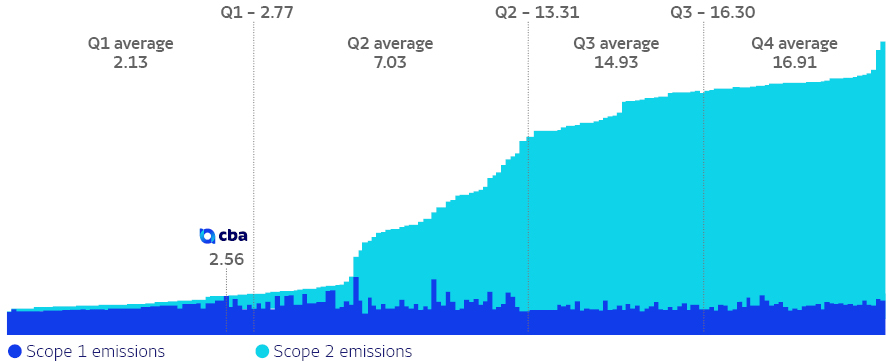
CBA has set a goal to reduce CO2e emissions by 40% (on average for cast products, cradle-to-gate) between 2019 and 2030 by increasing recycling rates, using biomass-fueled boilers, and upgrading our Smelters. Progress so far on these initiatives, coupled with process improvements, has helped to reduce our primary product CO2e emissions by 25.4% from a 2019 baseline, and by 8.4% in 2021 alone.
Source: CRU – Smelter Cost Model CRU (2021)
Expanding recycling
In 2021 CBA expanded the use of internal aluminum scrap as a result of multiple initiatives to boost on-site aluminum consumption.
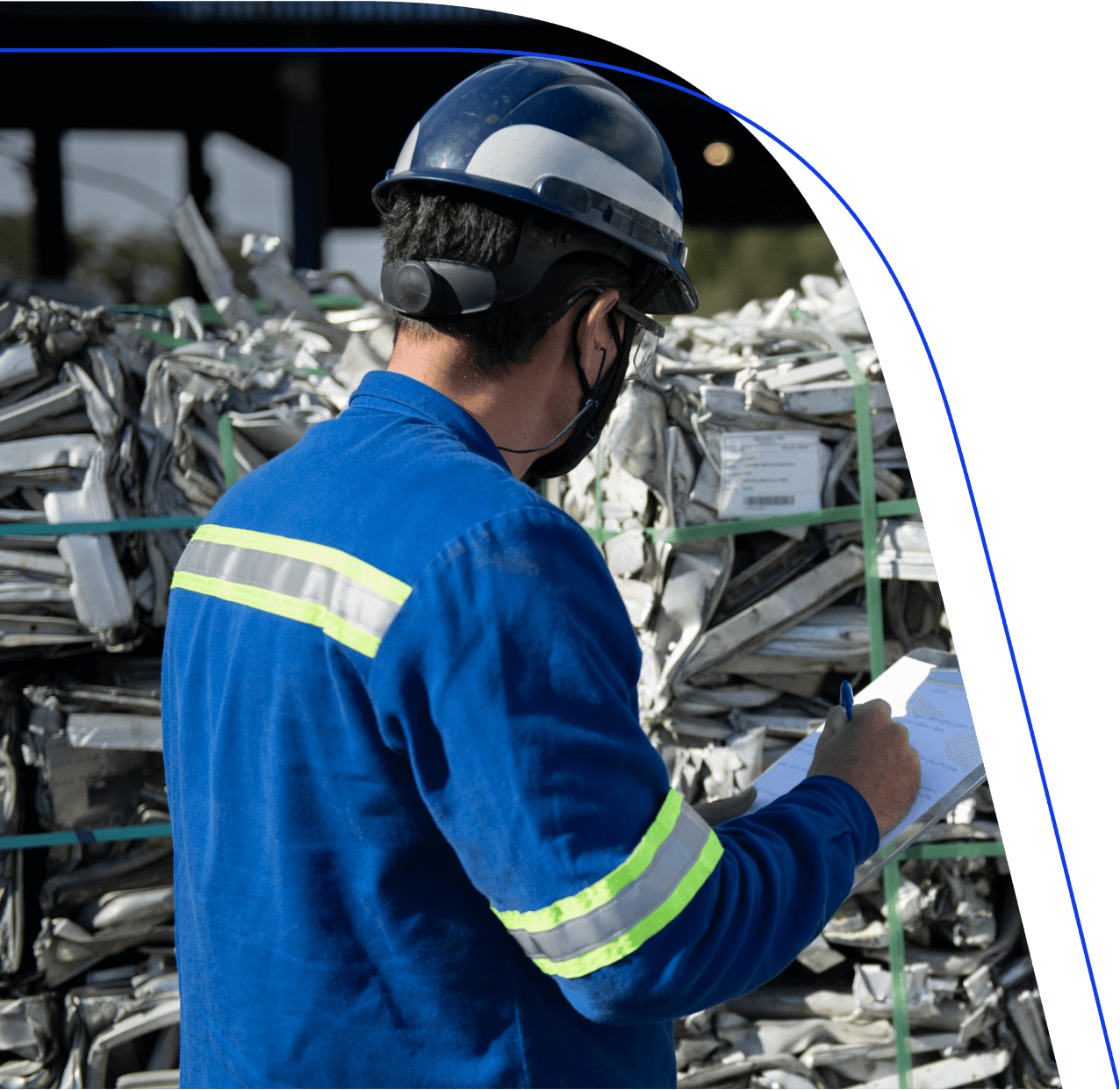
Recycling at CBA:
• Metalex – a dedicated aluminum recycling facility that produces billets from aluminum scrap and ingots. The facility was expanded in the year from a production capacity of 75,000 metric tons per year to 90,000 metric tons, and is currently installing a complete scrap treatment and processing line.
• ReAl – a groundbreaking technology for recycling the aluminum content in multilayered cartons and flexible packaging. A facility using this technology is being developed and is slated to start operation in 2023.
• Alux do Brasil – in February 2022, work began on integrating the new secondary aluminum production facility into CBA.
Safer dams
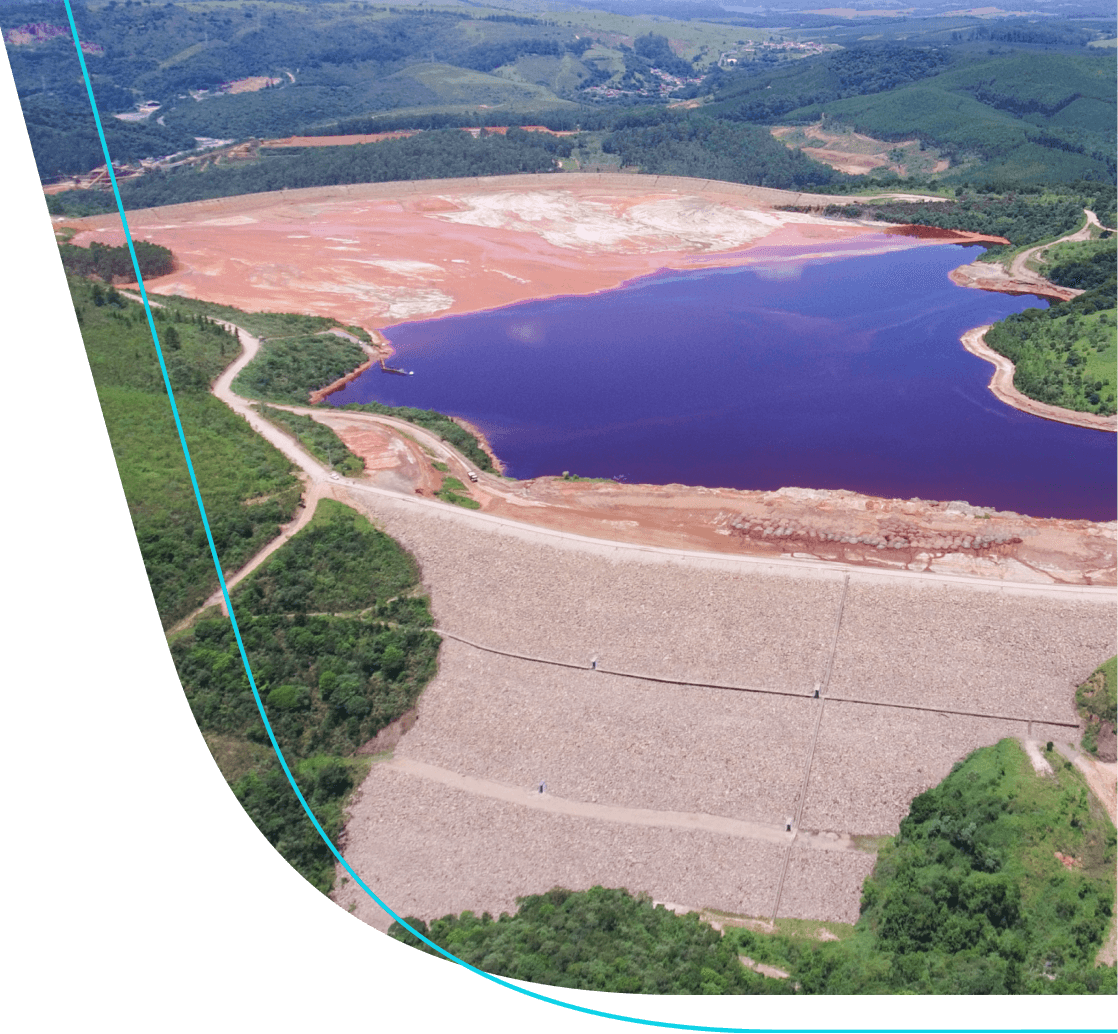
CBA is developing a project that will introduce a new residue disposal method at the Palmital dam in Alumínio (SP), switching from wet disposal to dry disposal. Migrating to dry disposal will require the installation of a filter press to remove the liquid fraction before the bauxite residue is disposed of at the storage facility. A new technology has been deployed that allows the water within the dams to be reused at the Refinery. This has helped to diminish the volume of water within the dam by approximately 85.9%.
Another project is developing a mobile bauxite beneficiation plant at a mine in Zona da Mata. This project will allow bauxite ore to be processed directly at the mine site, eliminating the need for dams and significantly reducing environmental impacts from bauxite mining.
Biodiversity stewardship
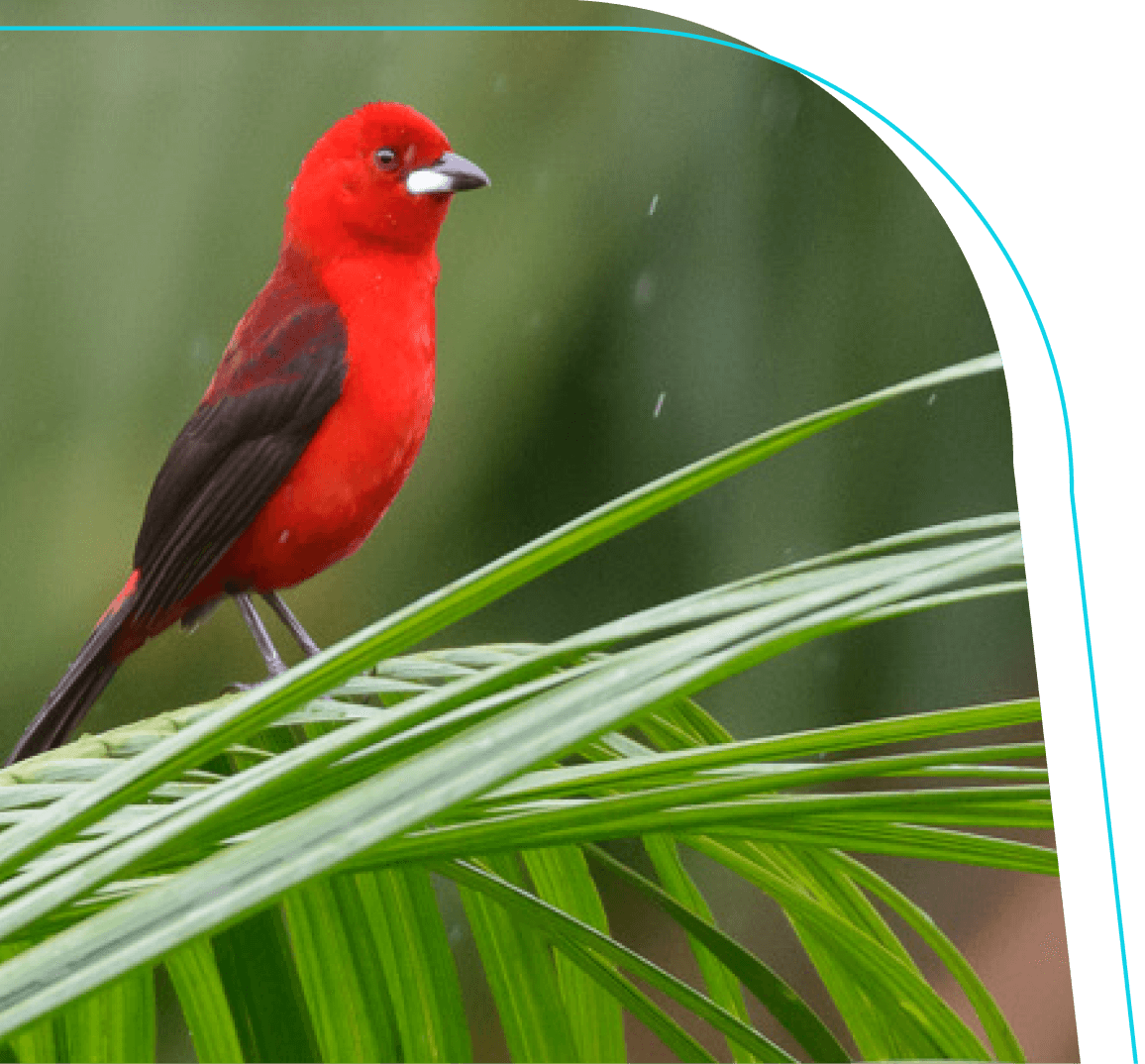
In addition to our investments in water stewardship, we actively take care of our environment and are proud of the way we help forests and biodiversity to flourish.
CBA owns the Legado Verdes do Cerrado (“Cerrado Green Legacy”) reserve in Goiás, and is a cofounder of the Legado das Águas (“Water Legacy”) reserve in São Paulo.
The two reserves
cover a combined
area of more than
60,000
hectares
and have developed
nature-based solutions—for
both traditional and
new economy activities—that
ensure sustainable land use.
Biodiversity highlights:
• REDD + Cerrado – The Legado Verdes do Cerrado reserve has started the Reducing Emissions from Deforestation and Forest Degradation (REDD+) Cerrado Program. Areas of native vegetation are preserved and quantified to generate carbon credits, in an initiative that is now fairly common in the Amazon but is unprecedented in Brazil’s Cerrado, and is being pioneered by CBA.
• Reflora CBA – a program to reforest degraded areas on legal reserves and in protected areas. In 2021, 15 farms in Zona da Mata Mineira and 2 in Niquelândia were preselected to participate in the initiative.
• Environmental Rehabilitation – a partnership with the Federal University of Viçosa to develop and evaluate best-practice methods of soil management and of planting crops and native vegetation as part of the mine rehabilitation process.